LASIK and PRK: laser vision correction explained
Laser vision correction reshapes the clear front surface of the eye (the cornea) so that light focuses properly on the retina. It can reduce or remove the need for glasses or contact lenses for short-sightedness, long-sightedness and astigmatism. LASIK and PRK are the two most established techniques.
How LASIK works
In LASIK, a thin hinged flap is created in the surface of the cornea, either with a femtosecond laser or a blade. The flap is lifted, an excimer laser reshapes the tissue underneath, and the flap is laid back down. Most people have clear vision within a day or two, and discomfort is usually mild and short-lived.
How PRK works
In PRK (photorefractive keratectomy), no flap is made. The thin surface layer of the cornea (the epithelium) is removed, the excimer laser reshapes the cornea, and a protective bandage contact lens is placed while the surface heals. Recovery is slower: expect several days of discomfort and blurry vision, with vision continuing to improve over weeks.
Which is better?
Neither is better for everyone. The choice depends on your corneal thickness and shape, your prescription, your work and sport, and your health.
- LASIK is often chosen for its fast recovery.
- SMILE/SILK/LaLex is a newer keyhole version of LASIK, however doesn’t allow customised treatments.
- PRK may suit people with thinner corneas, irregular surfaces or occupations and sports with a risk of eye knocks, because no flap is created.
Both techniques achieve similar long-term visual results in suitable eyes.
Who is suitable?
- Adults with a stable prescription for at least a year
- Healthy corneas of adequate thickness and a normal shape on detailed corneal mapping (topography or tomography)
- Realistic expectations
Laser is not suitable for everyone, including people with keratoconus or suspicious corneal scans, significant dry eye, uncontrolled eye or autoimmune disease, or very high prescriptions. Pregnancy and breastfeeding affect timing. If you are not a good laser candidate, other options such as an implantable lens may be possible (see our ICL surgery article).
What to expect
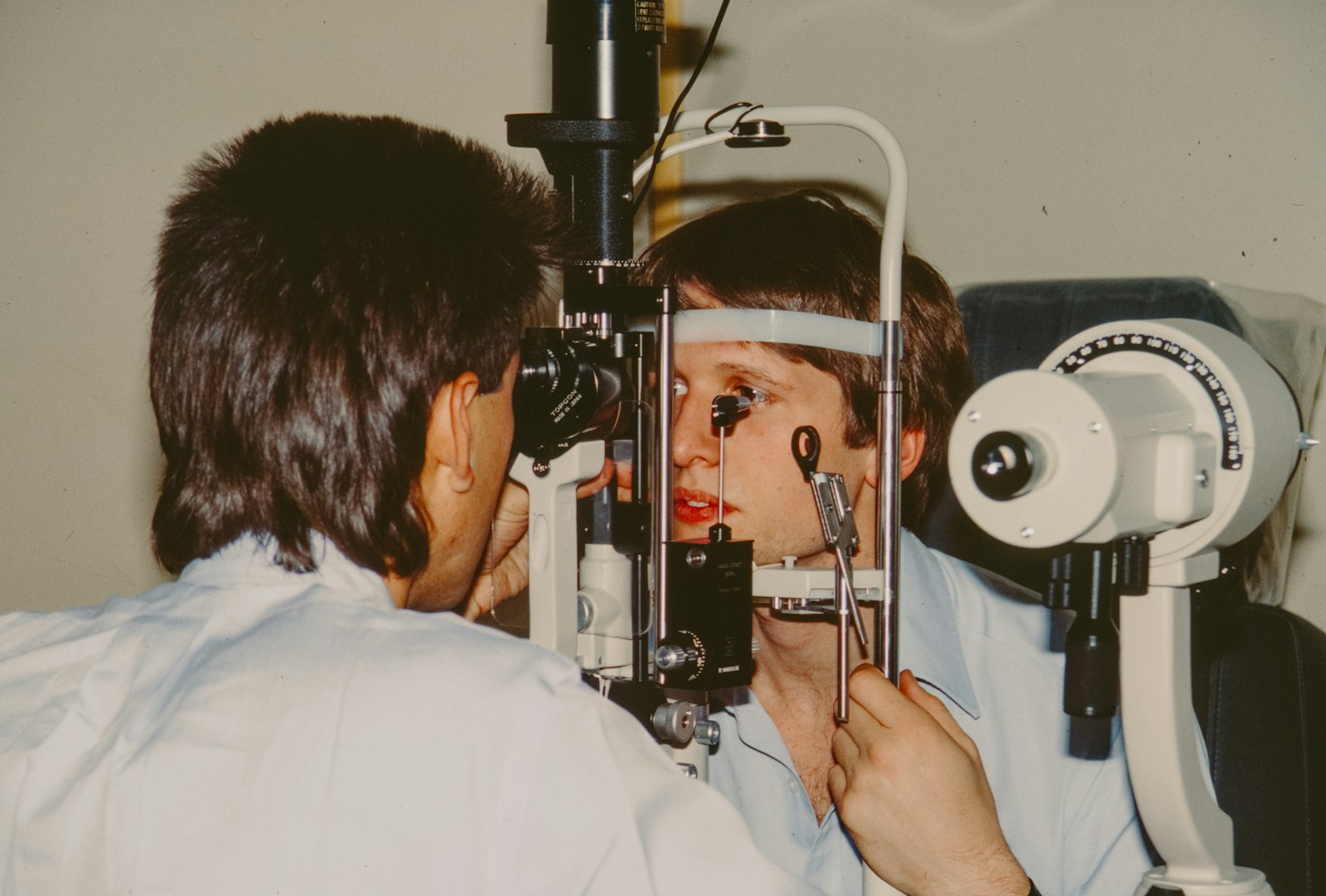
- A detailed assessment, with scans and a discussion of your goals and risks
- A short procedure, usually under 15 minutes for both eyes, with anaesthetic drops
- Eye drops for several weeks and follow-up visits
- Avoiding eye rubbing, swimming and eye make-up for a period set by your surgeon
Risks and limitations
Most people are happy with the result, but no outcome can be guaranteed. Risks include dry eye (often temporary), glare or halos at night, under- or over-correction needing an enhancement, infection, flap problems with LASIK, haze with PRK, and, rarely, loss of best-corrected vision. After about age 40, reading glasses are still likely to be needed because of presbyopia, which laser does not stop.
This article is general information and is not a substitute for individual medical advice. All surgical and invasive procedures carry risks. Before proceeding you should seek a second opinion from an appropriately qualified health practitioner. See your optometrist for a referral or contact Dr Abell’s rooms for initial suitability testing to see whether you are a candidate.