
Cloudy vision after cataract surgery
Cataract surgery usually gives a lasting improvement in vision. Some people, though, notice their vision becoming hazy or blurred again months or years later. This does not mean the cataract has come back. The most common cause is a condition called posterior capsule opacification (PCO), sometimes called a “secondary cataract”.
What causes it?
During cataract surgery, the cloudy lens is removed but its thin, clear outer bag (the capsule) is left in place to hold the new lens. Over time, cells can grow across the back of this capsule and make it cloudy. This is common and is more likely in younger patients and with some lens types.
Symptoms
- Gradually blurring or hazy vision
- Glare, particularly from headlights or bright light
- Reduced contrast, or difficulty reading
These symptoms are similar to those of the original cataract.
Treatment: YAG laser capsulotomy
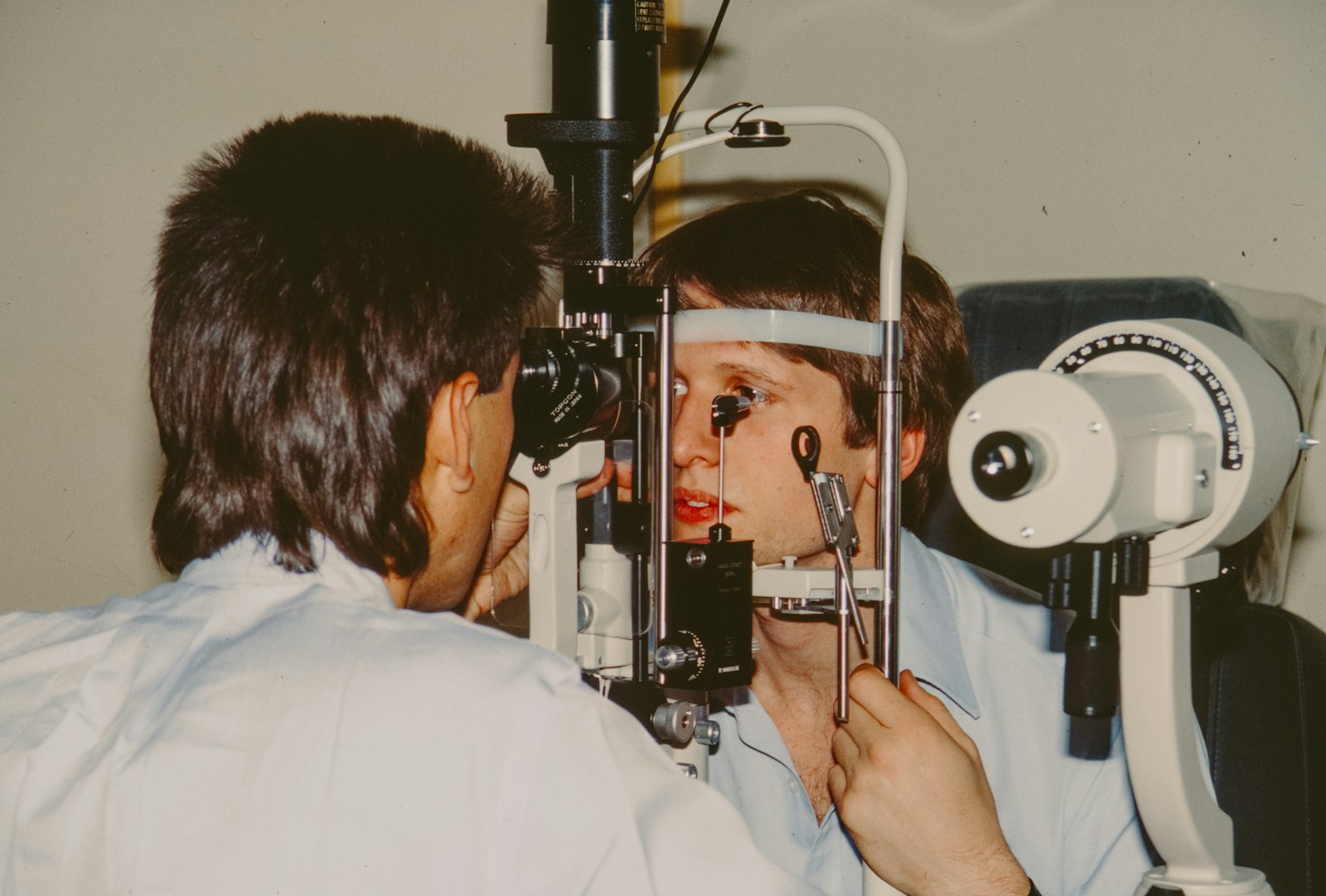
PCO is treated with a quick outpatient laser procedure called a YAG capsulotomy. The laser makes a small opening in the cloudy capsule to let light pass through.
- It takes only a few minutes and is painless, using anaesthetic drops.
- No cut is made in the eye.
- Vision usually improves within a day or so.
- You can generally go back to normal activities straight afterwards.
Once treated, PCO does not come back, as the capsule has been opened.
Risks
Risks are uncommon but include a temporary rise in eye pressure, inflammation, floaters, displacement of the lens and, rarely, retinal detachment. The risk of retinal detachment is higher in people who are very short-sighted. Your doctor will check your eye pressure and retina before and after treatment.
Is it always PCO?
Not always. Other causes of blurred vision after cataract surgery include swelling of the macula (the central retina), dry eye, a change in prescription, corneal problems, glaucoma or retinal disease. An examination is needed to find the cause, and treating PCO will not help if something else is responsible.
When to see a specialist
See an eye specialist if your vision is blurring after cataract surgery. If you have a sudden change, new floaters, flashes of light or a curtain over your vision, seek urgent help the same day.
This article is general information and is not a substitute for individual medical advice. Dr Abell accepts all patients for laser capsulotomy procedures, including those who had surgery elsewhere.