
Red eye and contact lens safety: when to get help quickly
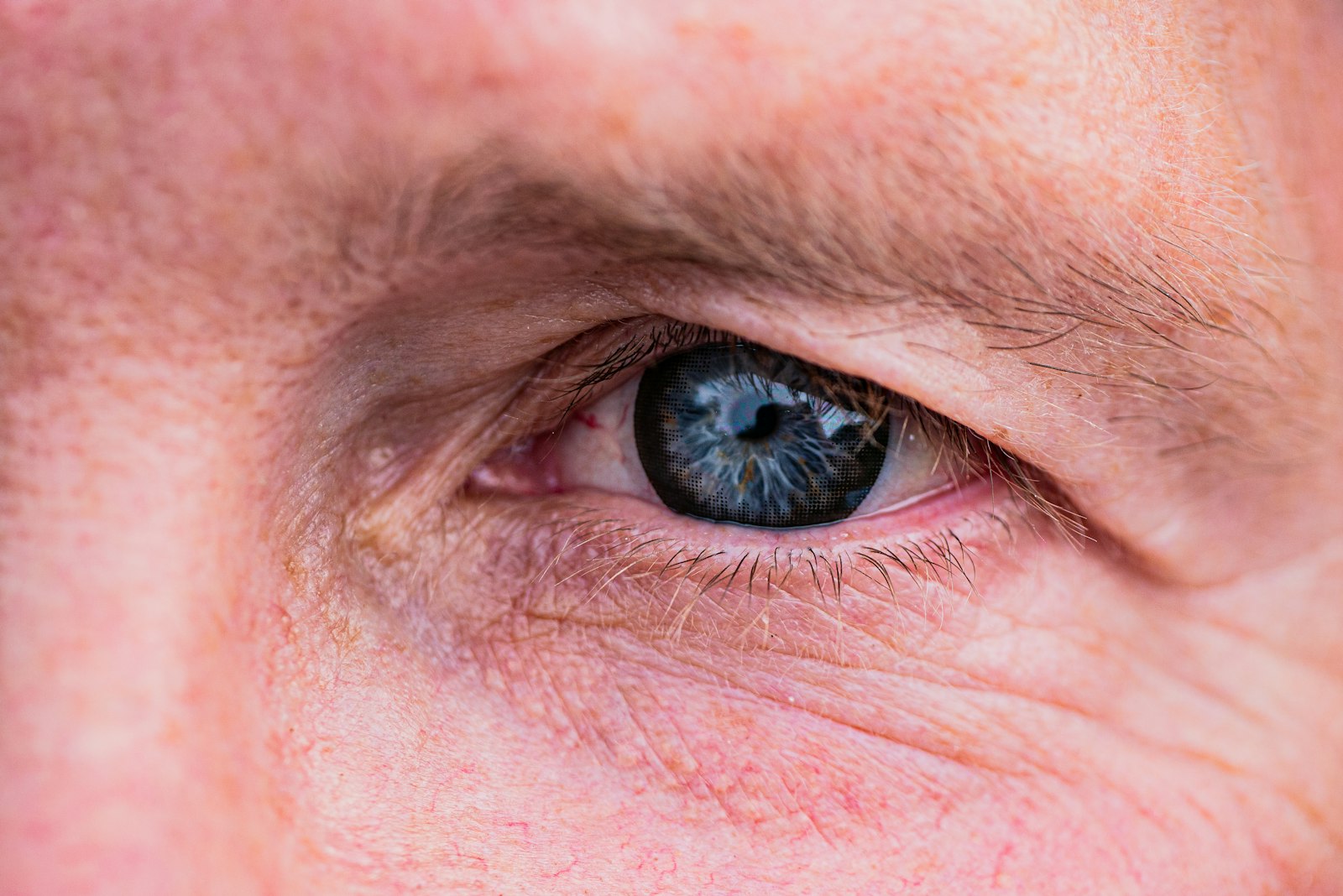
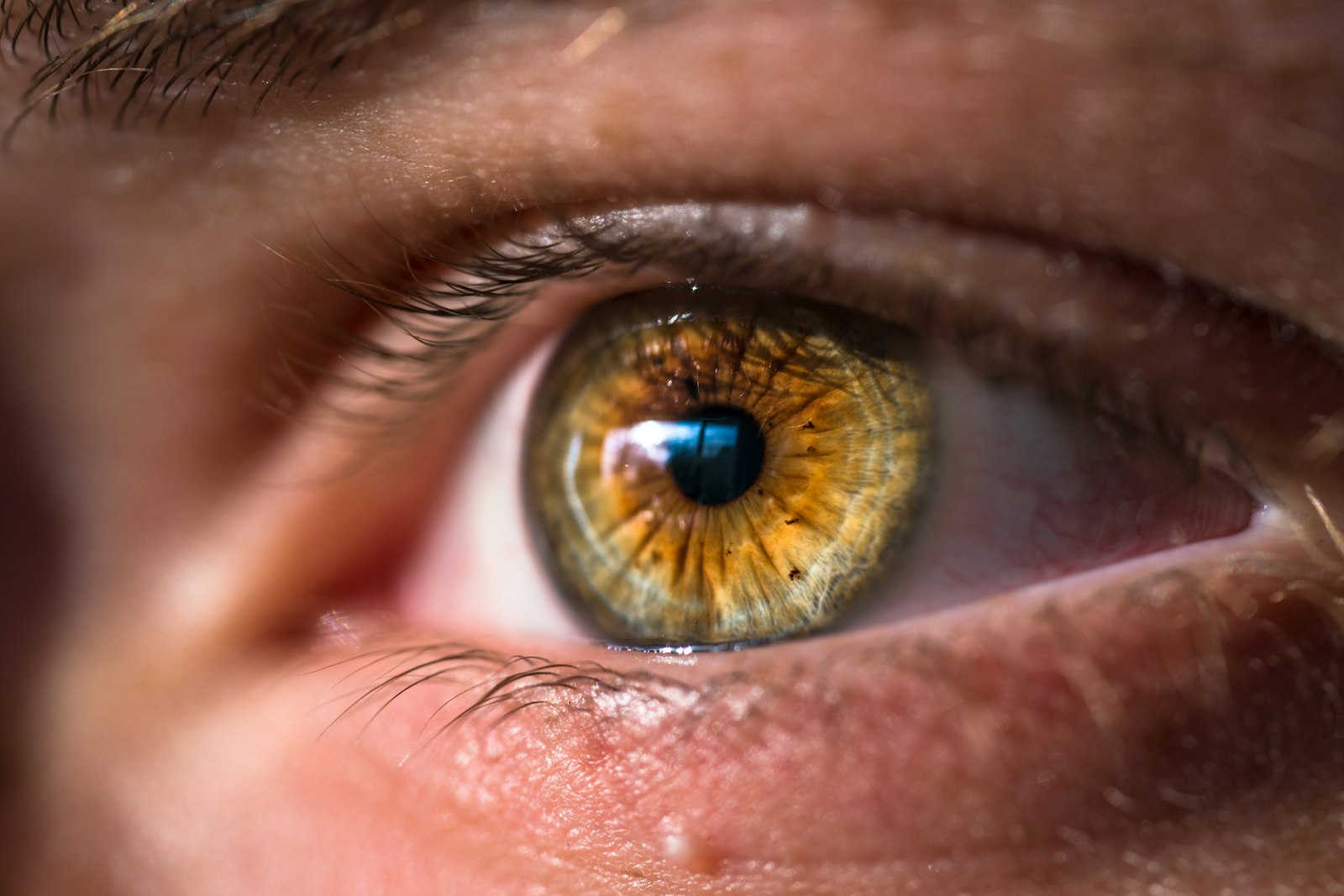
Most red eyes are caused by mild irritation, dryness or allergy and settle by themselves. Some, particularly in contact lens wearers, are caused by infection or inflammation of the cornea (the clear front of the eye) and can threaten sight if not treated promptly.
Get urgent help if you have
- A red eye with pain, particularly if it is getting worse
- Reduced or blurred vision, or a white or grey spot on the cornea
- Marked sensitivity to light
- Discharge or watering that does not settle
- A red eye after an eye injury, or after a foreign object or chemical splash
- A red eye in a contact lens wearer
If you wear contact lenses, remove them and do not put them back in. Contact an optometrist, GP, an eye specialist or the emergency department of a hospital the same day. Do not wait to see if it gets better.
Why contact lens wearers are at higher risk
A contact lens can trap bacteria, and in some cases other organisms, against the cornea, particularly when the lens is worn overnight, is poorly cleaned, or is exposed to water. An infected corneal ulcer can develop quickly and may leave a permanent scar, even with treatment.
Safer contact lens use
- Wash and dry your hands before handling lenses.
- Never sleep in lenses unless they are specifically designed and approved for it and your practitioner has advised you it is suitable.
- Never rinse, store or wear lenses in tap water, and remove them before swimming or showering.
- Replace lenses and cases on schedule, and clean cases regularly.
- Use fresh solution each time, and never top up old solution.
- Keep regular check-ups with your optometrist.
Other causes of red eye
Other causes include dry eye, allergy, blepharitis (inflamed eyelid edges), viral conjunctivitis, and less commonly uveitis (inflammation inside the eye) or raised eye pressure. Because some of these need different treatment, it is worth having persistent redness assessed rather than treating it with over-the-counter drops. Some drops, including steroid-containing ones, can cause harm if used without a proper diagnosis.
What a specialist can do
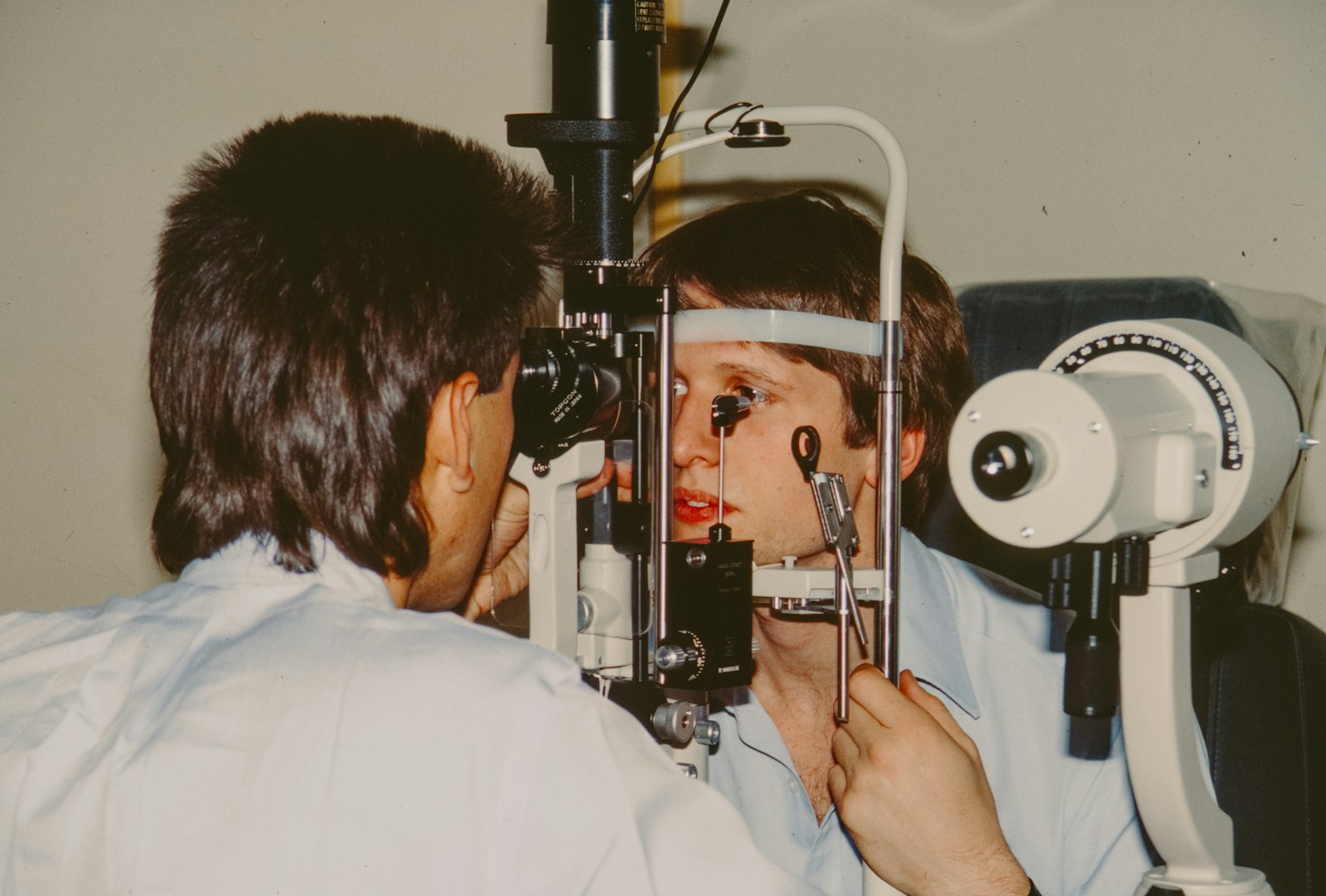
An eye specialist can examine the cornea under magnification, take samples to identify the cause of an infection if needed, and start targeted treatment. Frequent treatment and close follow-up are often needed. If a scar affects vision, options may be considered later (see our article on corneal scarring).
This article is general information and is not a substitute for individual medical advice. If you have a painful red eye or sudden vision change, seek urgent care.